
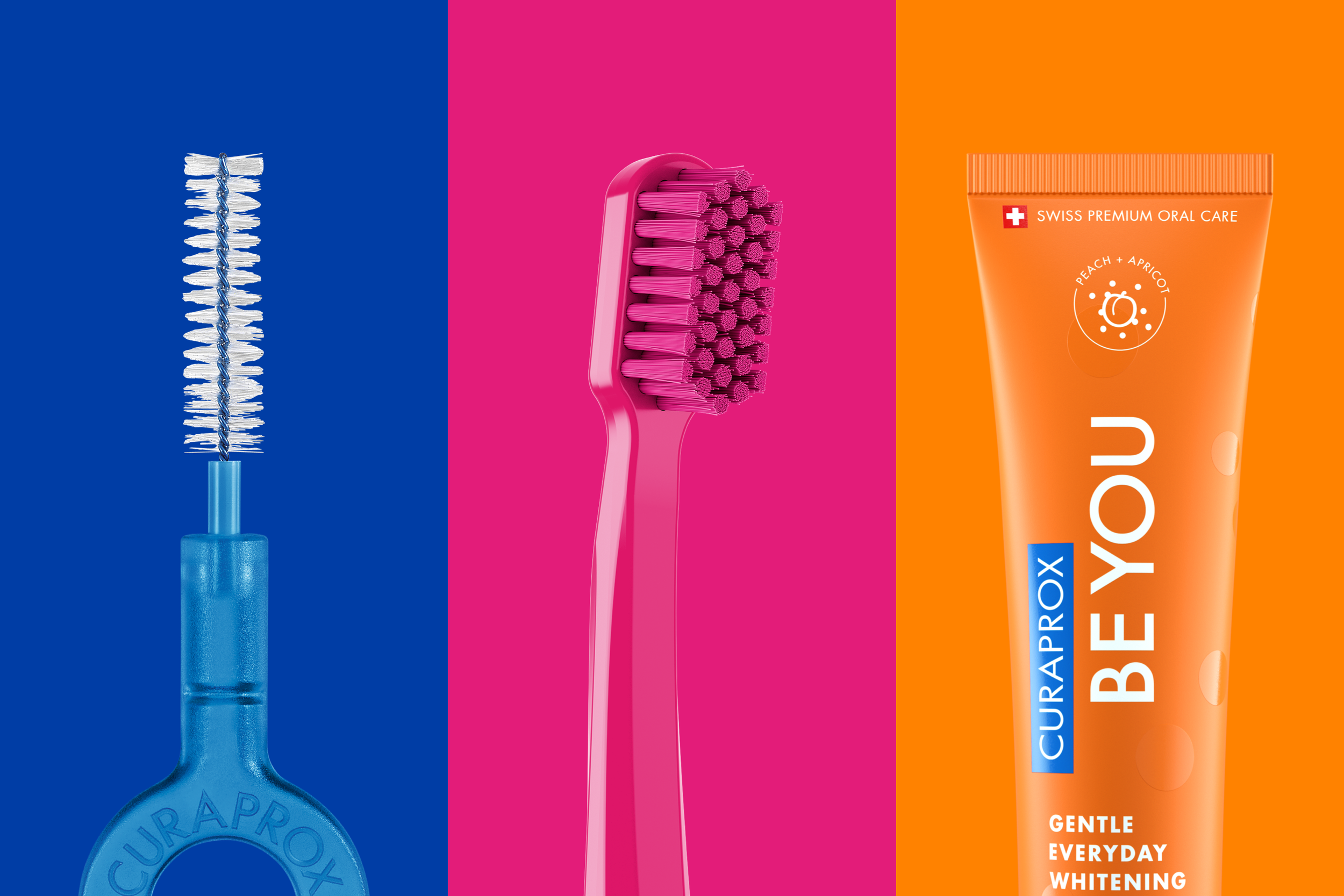
Curaprox – A Design Journey beyond the ordinary
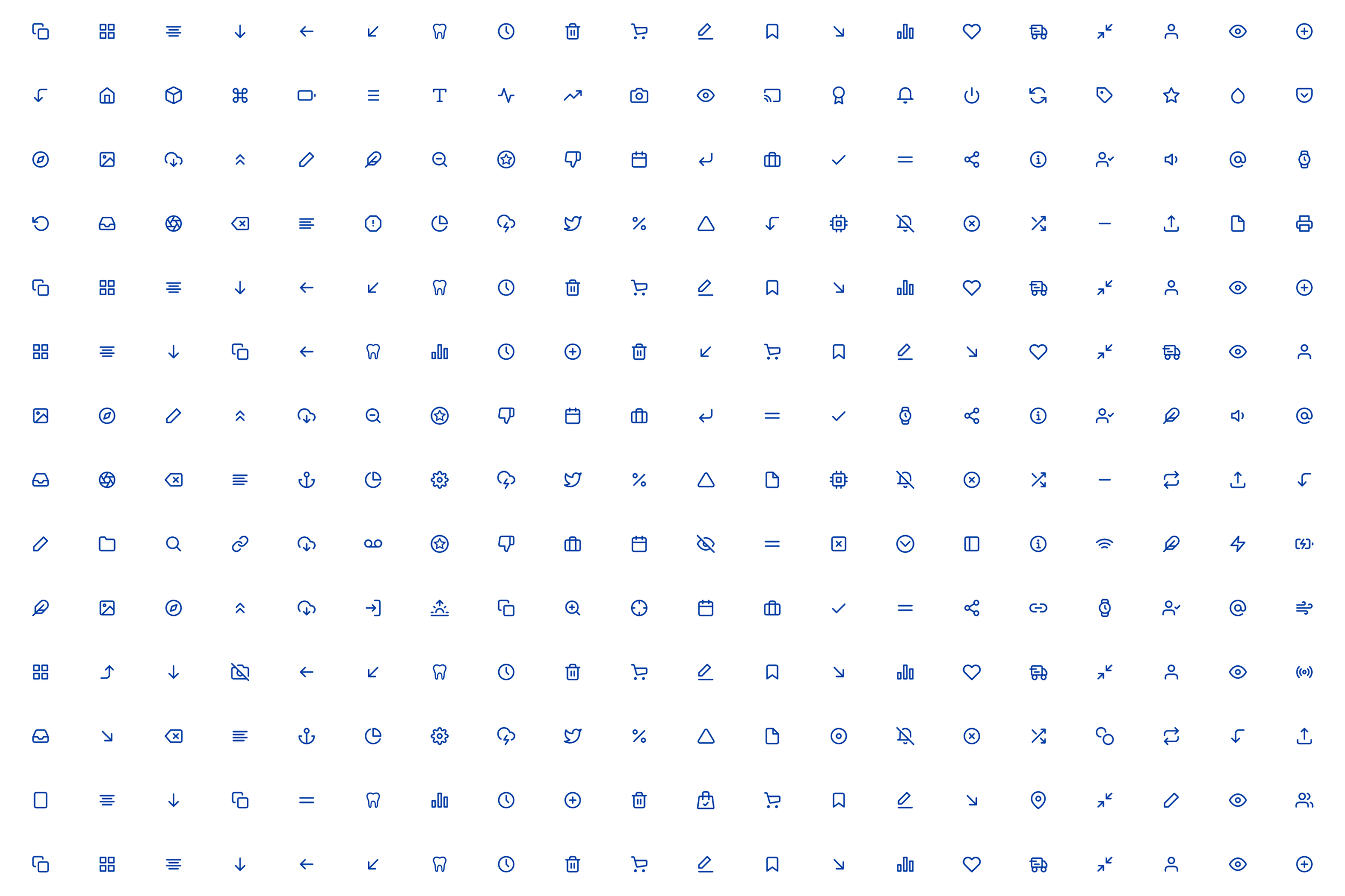
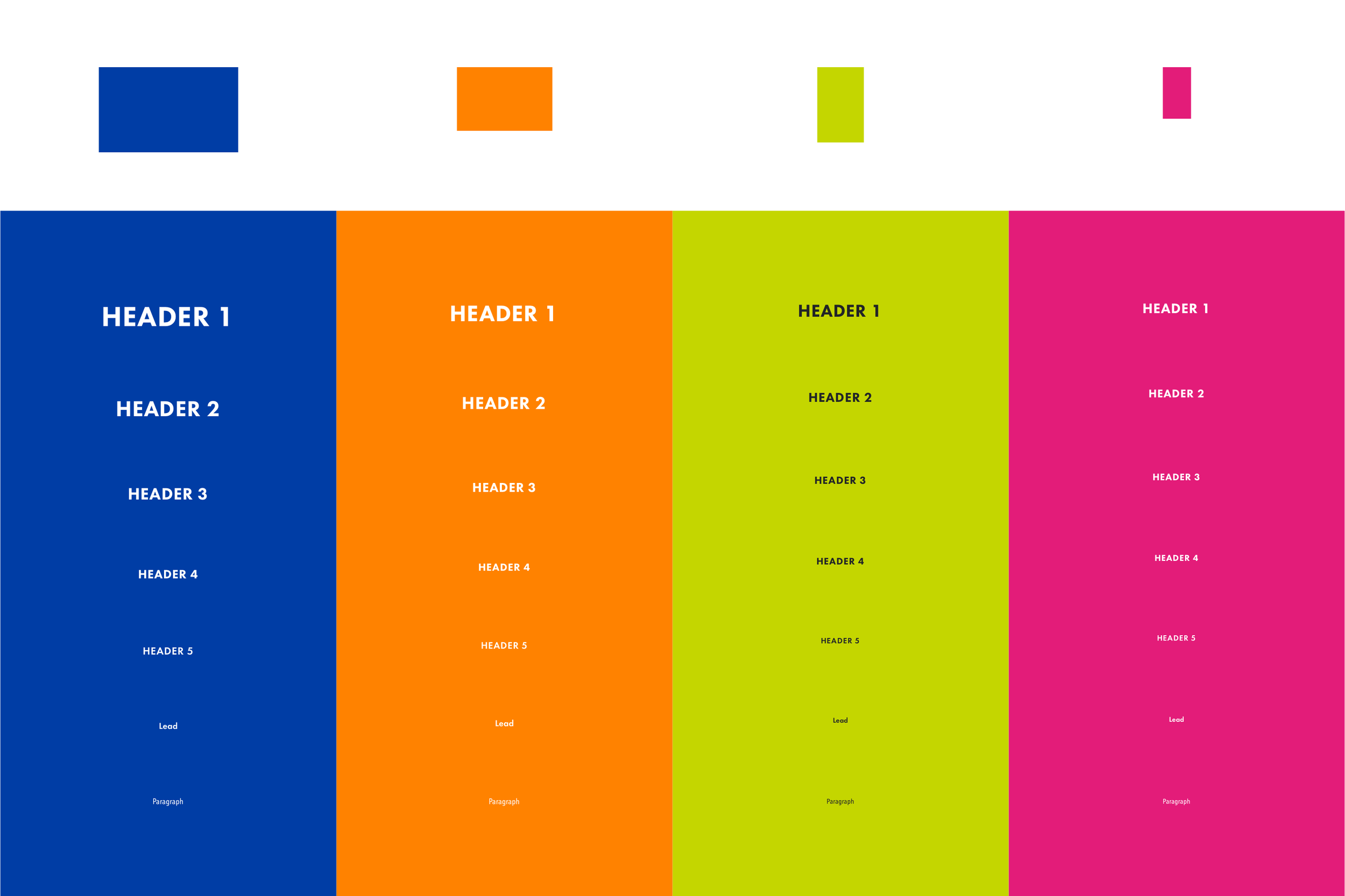
This page offers more than just a glimpse into a design system — it reflects the core of my work at Curaprox in both B2C and B2B environments. Through a structured and scalable design system, I help bring consistency across platforms, from buttons to grids, typography to color, icons to checkout flows. Every piece matters, and every detail shapes the experience.
Curaprox is the visual and emotional core of Curaden — it’s the brand people remember, the digital storefront, and, not least, a major part of my daily work. Roughly 70–80% of what I do revolves around Curaprox — its digital presence, its structure, its voice. It’s not just the company’s business card — it's also mine.
As designers, we’re drawn to detail. I’m no different. Systems, guidelines, order — they matter. But what matters more is knowing where to let go. Perfection isn’t the goal; consistency and scalability are. The system is there to support work, not slow it down. That’s where pragmatism comes in.
I believe in systems that evolve. We ship at 90% — not because we don't care about quality, but because we value momentum. Iterate. Learn. Improve. Repeat. That’s where the real craft lies. A design system is never finished, but when it's solid, it quietly powers everything.
This page is one part of the bigger picture — a glimpse into how the Curaprox design system helps carry the brand across every touchpoint.

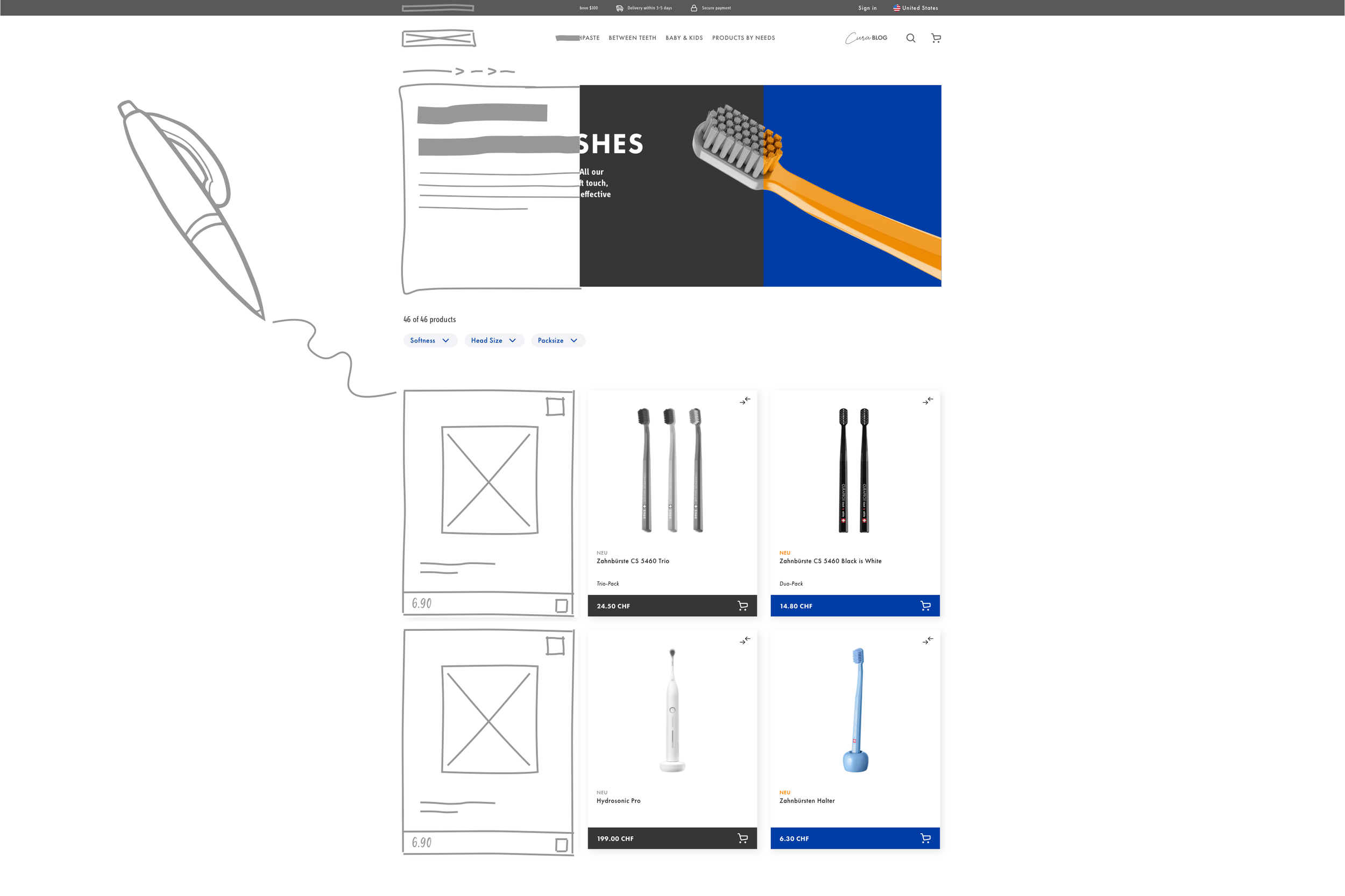
do. fail. learn. repeat.
Design is a Team Sport
Good design doesn’t happen alone — it’s the result of collaboration.
We work as an agile team — UX researcher, application manager, project lead, product owner, and myself as UI designer. And it's that collaboration that makes things succeed. No screen, no system, no flow happens in isolation. The outcome is always a reflection of team effort, not just individual pixels.
Before I moved into design, I worked as a web developer. Back then, things felt more black and white. There was a “right” and a “wrong,” a clear line between 0 and 1. But the last five years in design have taught me the value of the in-between: opinions, user research, subjective feedback, and the why behind the how.
Design has nuance. It's not always about getting it perfect — it's about asking the right questions, making things better step by step, and knowing when 90% is exactly enough to move forward. I’ve learned how to listen, adapt, defend, and let go. And that’s made me not only a better designer — but a better teammate.
I’m proud of what we build together. And I’m proud to be part of it.